

Unlocking the Power of Heatmaps in Digital Marketing
Understanding your audience’s behavior on your website is key to driving conversions and optimizing user experience. Heatmaps offer a powerful, visual way to analyze how visitors interact with your site, allowing you to make informed decisions that boost performance. Let’s dive into how heatmaps work, their benefits, and how you can leverage them in your digital marketing strategy.
What Are Heatmaps?
Heatmaps are visual representations of data that show how users interact with your website. They use colors to highlight areas of activity, such as clicks, scrolls, or mouse movements, offering an at-a-glance overview of user engagement.
For example:
Hot Areas(red/orange) indicate high activity.
Cool Areas(blue/green) show low activity.
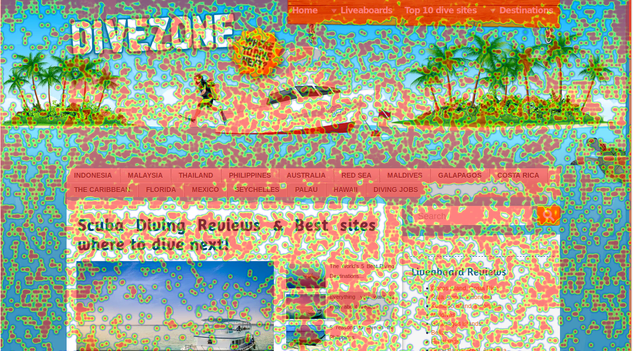 These insights help you understand which parts of your site capture attention and which might need improvement.
Types of Heatmaps and How They Work
Different types of heatmaps cater to various aspects of user behavior. Here’s an overview:
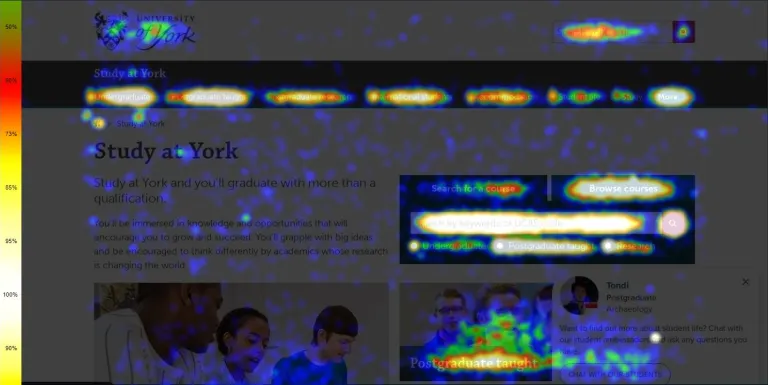
1. Click Maps:
Click maps show where users are clicking on your website. They reveal high-interest areas and identify potential distractions or underperforming links.
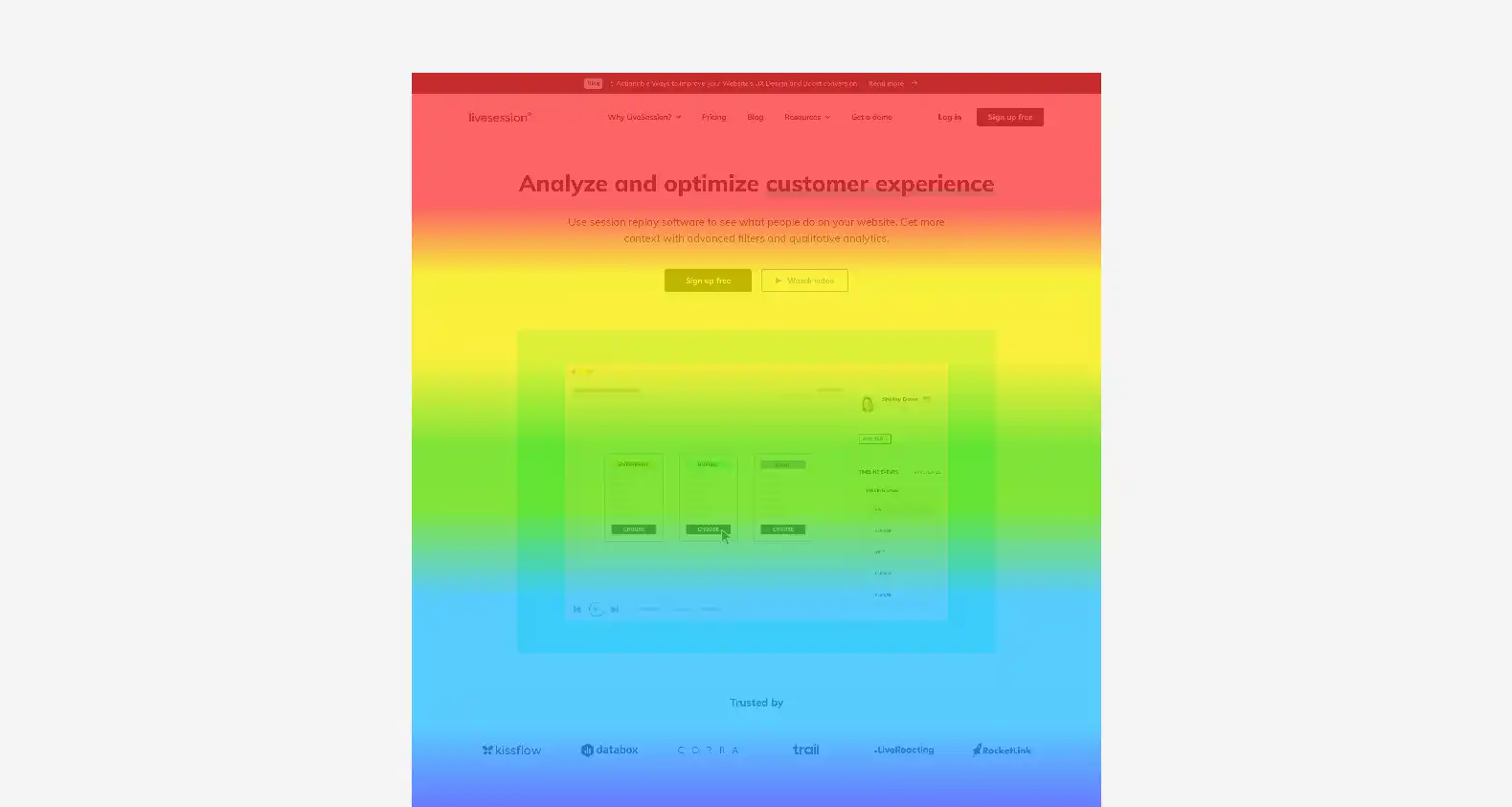
 2. Scroll Maps:
Scroll maps track how far visitors scroll down your pages. If users abandon the page before reaching critical content, you’ll know where to make adjustments.
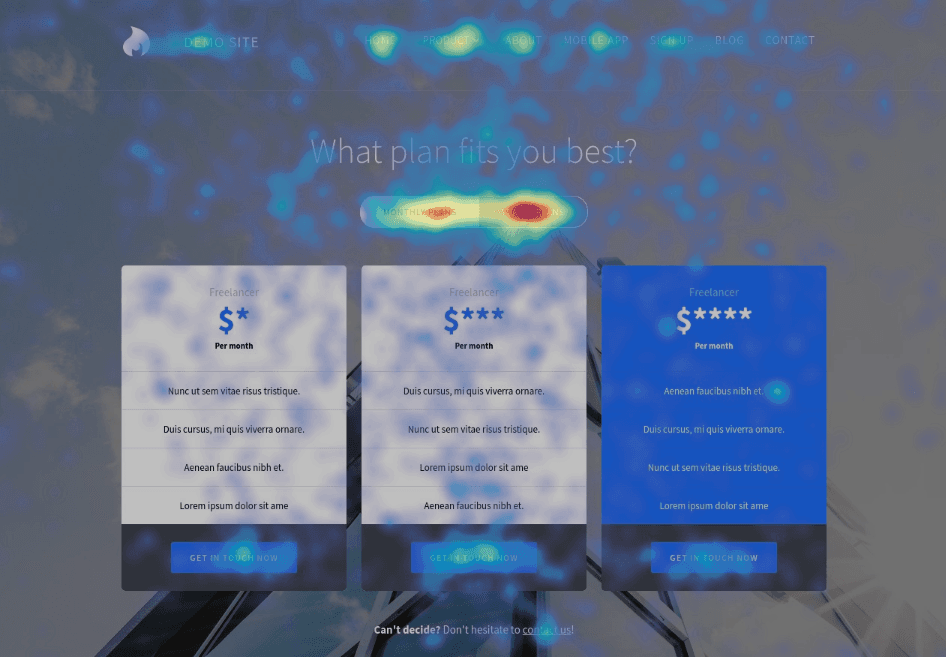
 3. Move Maps:Move maps record mouse movements, offering insights into what users hover over. These maps can help uncover interest patterns and usability issues.
 4. Attention Heatmaps:Attention heatmaps highlight where users spend the most time on a page. This is particularly useful for optimizing content placement and call-to-action (CTA) buttons.
Why Are Heatmaps Important for Digital Marketing?
Heatmaps go beyond traditional analytics by providing a visual understanding of user behavior. Here’s why they’re essential:
1. Optimize Website Layout:
Heatmaps reveal whether your layout guides users effectively. Use this data to arrange content, images, and CTAs strategically.
2. Boost Conversion Rates:
Identify roadblocks in the user journey, such as poorly placed forms or ineffective CTAs, and adjust them for higher conversion rates.
3. Improve User Experience:
Learn what frustrates or confuses users, enabling you to eliminate friction points and improve overall satisfaction.
4. Enhance Content Engagement
Discover which sections of your content hold attention and which are overlooked. This helps you tailor future content for maximum impact.
How to Use Heatmaps for Digital Marketing
Step1: Define Your GoalsBefore analyzing heatmaps, determine what you want to achieve. Whether it's improving conversions, engagement, or navigation, clear goals will guide your analysis.
Step2: Choose the Right ToolPopular heatmap tools like Crazy Egg, Hotjar, or Lucky Orange offer features tailored for different needs. Select one that aligns with your objectives and budget.
Step3: Analyze Key PagesFocus on high-traffic pages like your homepage, product pages, or landing pages. These are critical to your user journey and overall marketing success.
Step4: Identify Patterns and TrendsLook for recurring user behavior. For nstance, are users ignoring CTAs or spending time on irrelevant areas? These patterns provide actionable insights.
Step5: Make Data-Driven ChangesUse the insights to refine your design, adjust content placement, or improve CTAs. Test the changes and monitor their impact on performance.
Best Practices for Using Heatmaps Effectively
1. Combine Heatmaps with Other Tools:Pair heatmaps with analytics tools like Google Analytics for a complete view of user behavior.
2. Segment Your Audience: Analyze heatmaps by user segments (e.g., mobile vs. desktop) to tailor optimizations for different experiences.
3. Regular Update Your Analysis: Behavior changes over time. Periodic reviews ensure your site remains optimized for current trends.
4. Test Before Implementing Changes: Use A/B testing to validate insights from heatmaps before making significant updates.
Real-World Applications of Heatmaps
Here's how businesses use heatmaps to achieve success:
- Ecommerce: Optimize product pages by identifying popular items and underperforming elements.
- Content Marketing:Improve blog layout and readability based on scroll and attention maps.
- Lead Generation:Enhance landing page design to increase form submissions.
Final Thoughts
Heatmaps are a game-changer for digital marketers, offering a clear window into how users interact with your website. By leveraging this powerful tool, you can make data-driven improvements that enhance user experience, boost engagement, and drive results.
Start integrating heatmaps into your strategy today and unlock the insights needed to stay ahead in the competitive digital landscape.
Let’s Elevate Your Business Together!
Contact us today to explore how we can help you succeed with tailored digital marketing strategies.